Home
Echoes of Resilience: The African American Legacy of Goldsboro, North Carolina
Welcome!
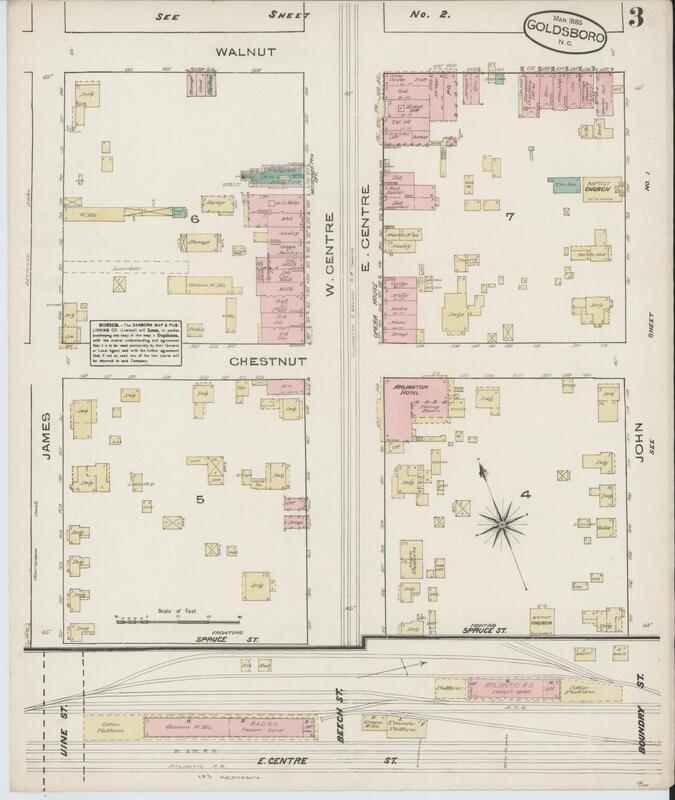
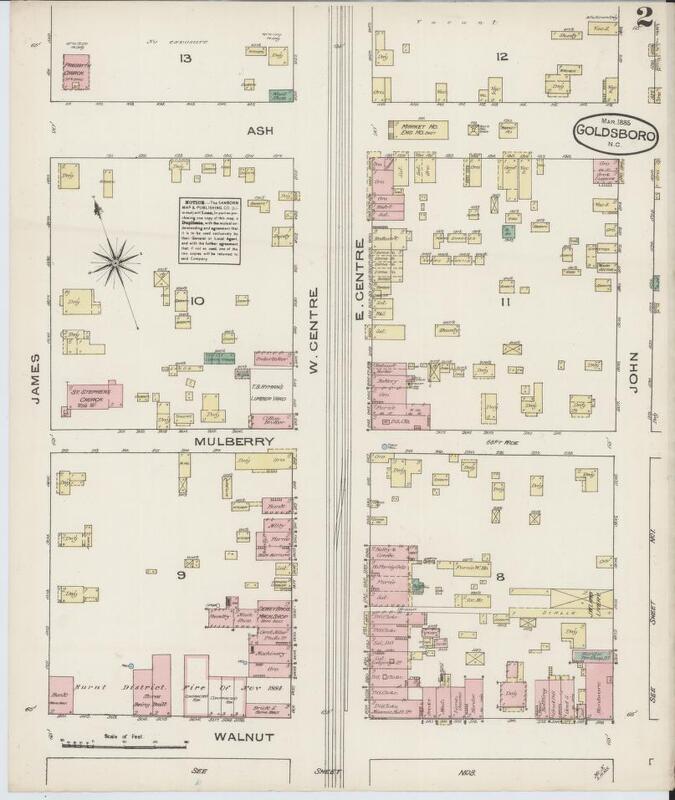
This website aims to tell the story of the early African American experience in Goldsboro and Wayne County, North Carolina, which has a history deeply rooted in place, community, and resilience. Through historic maps, archival records, and newspaper articles, this project explores where African Americans lived, worked, and built community in Goldsboro’s early years. The site also engages with difficult and controversial histories found in historical records, presenting them thoughtfully and in context to better understand the realities African Americans faced. Looking ahead, this project hopes to expand beyond the website to include QR-code walking tours in downtown Goldsboro, connecting today’s landscape with the African American history embedded within it.
This is a living project, and community involvement is essential. If you have historical documents, photographs, oral histories, or cultural objects related to African American life in Goldsboro or Wayne County, you are warmly invited to reach out. Together, we can help preserve and share these stories for future generations. I want to encourage community members to reach out and join in creating a larger, more impactful project.
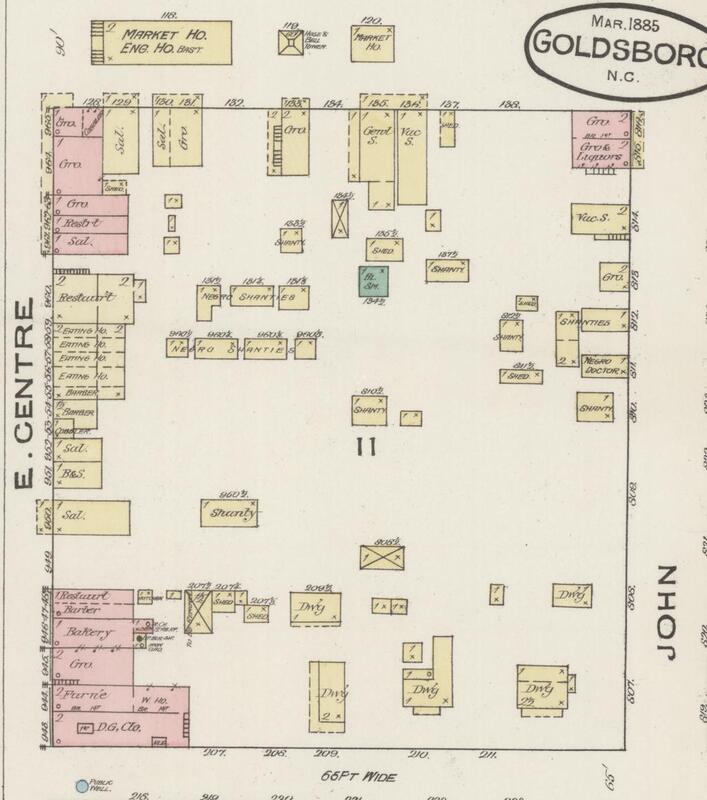
The map shown (above) is of an area taken from map 2 of the 1885 Sanborn Fire Insurance Maps, this particular map shown was to highlight a shanty village that was located where the parking lot on the corner of John St. and Ash St. is currently. This shanty village is seen marked on the map to reference African Americans in language used in 1885, but would not be appropriate today. You can click on the map to expand it and take a look where you will see the office for a doctor for the community, as well as the shanty's were located.
Goldsboro's Municipal Milestones (1700-1947)
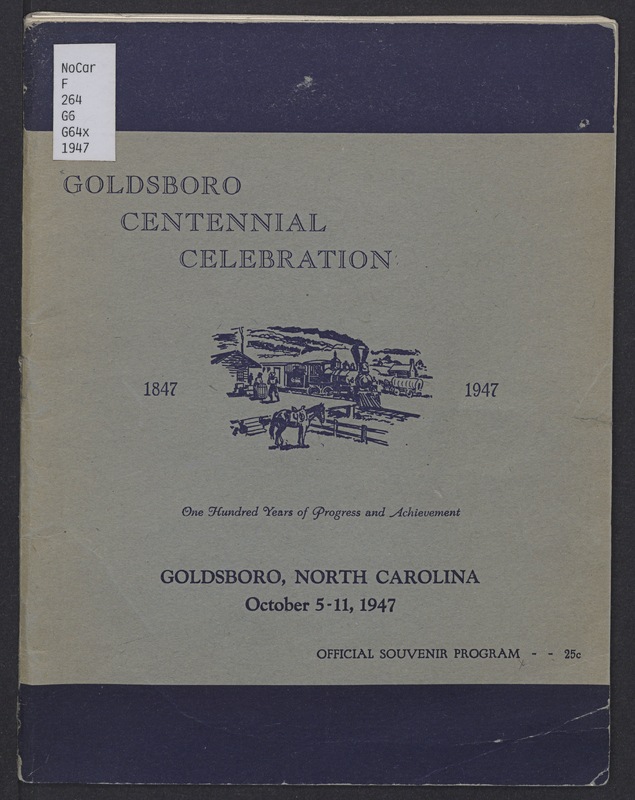
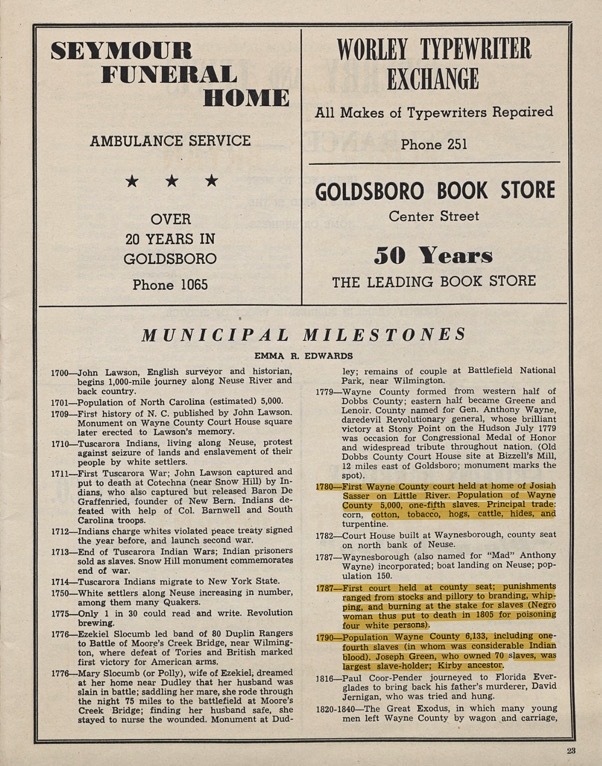
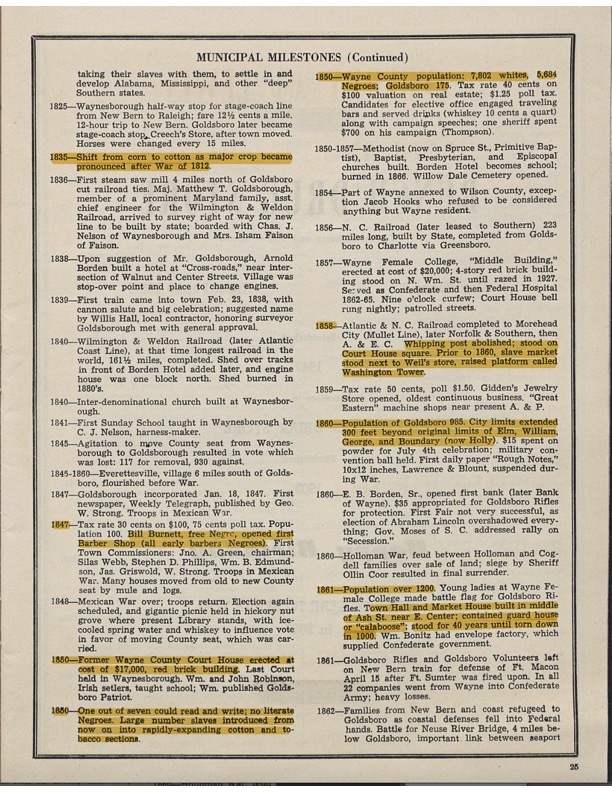
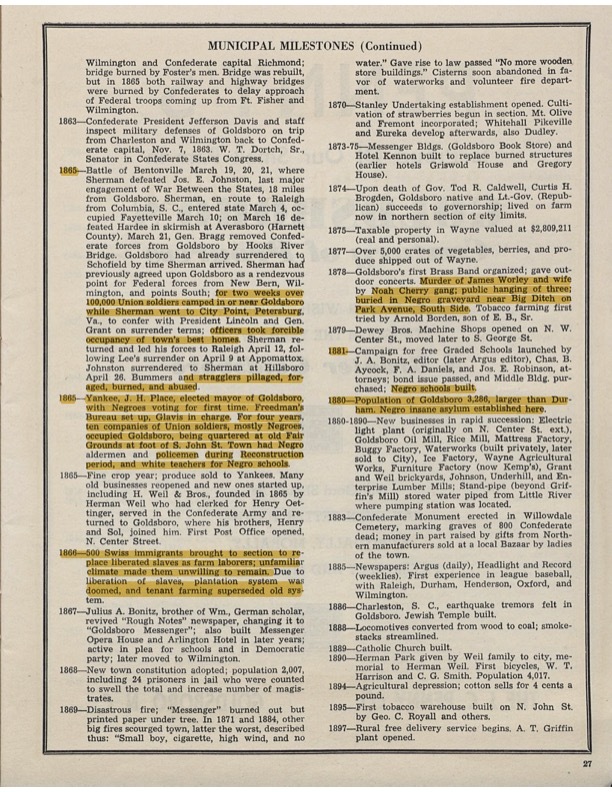
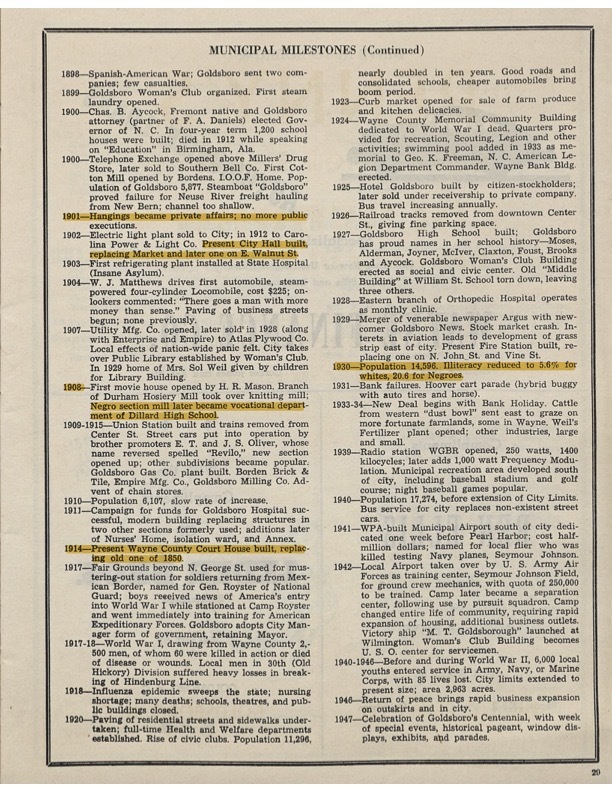
The Goldsboro Centennial Celebration of October 5–11, 1947, commemorated the 100th anniversary of the city’s incorporation in 1847, highlighting a century of civic growth, development, and community achievement. Among the most compelling features of the official program was the section titled “Municipal Milestones,” a detailed chronological record tracing Goldsboro’s evolution—from early settlement and transportation advances to the establishment of schools, industries, and public institutions.
These milestones offered more than a timeline; they revealed how the city defined progress and whose contributions were remembered. It is this section that inspired deeper research, prompting a closer examination of the stories, communities, and experiences—particularly those of African Americans—that were often underrepresented or omitted. This project builds upon those milestones to expand the narrative, uncover hidden histories, and present a more complete and inclusive understanding of Goldsboro’s past.