A History of Oral History
When the last residents of Portsmouth Island left in 1971, a way of life came to an end. While the former residents and their descendants lived on, the island life of Portsmouth ceased to exist, relegated only to stories told among friends and family and the occasional tale written down for one reason or another. For so many communities and ways of life throughout history, this would be the end of their tale. While there has been a push in the modern era for histories focused on the memories of the old and the forgotten, many are forced to be conducted and researched long after those old communities have scattered. Stories passed down are far better than nothing, but they run the risk of losing the possible flair or nuance that could exist in them when they were originally told by members of the old community. But thanks to recording technology and the efforts of dedicated historians, many can now hear those old community members tell the stories of their home and way of life themselves.
Three years before Portsmouth Island became uninhabited, the National Park Service of Cape Lookout National Seashore began an oral history project focused on the people of the Outer Banks: how they had lived, what their old homes had looked like, how they and their old neighbors had interacted, etc. The focus was on the cultural and material way of life that these people had lived, with an additional focus on asking residents to help identify landmarks and people from photographs taken around the time when they had lived on the Outer Banks. One of the focuses of this project was the people who had lived on Portsmouth Island.
The original repository for these Oral Histories is the Outer Banks History Center in Manteo, but CD copies can also be listened to at the History Museum of Carteret County.
The interviewees describe their lives on the island: what they did for work, where they lived, the daily goings on of the community, how they left, who lived with them, etc. Listening to these people tell the stories of the homes they lived in gives one a far better sense of the way of life they endured than reading about it. It gives a voice to the names and stories, building a feeling of connection with these people. Several of the interviews sound almost like family discussions that the listener gets to sit in on, allowing a glimpse into the real people behind the history that they tell.
Some of the oral historians who conducted these interviews are still alive today and still working towards keeping the history of Portsmouth alive. One of them, Connie Mason, currently serves as the president of the Friends of Portsmouth Island organization, and was gracious enough to sit down for an oral history interview to be conducted about her career and its focus on Portsmouth Island.
The interview provides an insight into the life and work of one of Portsmouth Island's historians, detailing her life and accomplishments towards the preservation of this Outer Banks community. Connie speaks from firsthand experience about conducting the Cape Lookout oral histories, and how getting to experience the stories and lives of the members of the community through their stories was an experience that she will always cherish. One of the things she highlights from her experiences with the last of Portsmouth's residents is that all of them rememberedd their old home fondly, and spoke with great happiness about their memories of the island and its way of life. Connie also brings up the fact that the preservation of the history on the island itself is becoming harder and harder due to an increase in king tides flooding the island, and an increase in the frequency and severity of hurricanes damaging what's left on the island.
While no resident of Portsmouth still remains today, their descendants can be still be found all over. One such descendant, Barbara Gaskins-Eugene, serves as a board member on the Friends of Portsmouth Island and volunteers regularly with the History Museum of Carteret County. She was also gracious enough to sit down for an oral history interview about her family, her time on Portsmouth as a child, and how she has worked to help keep the history of Portsmouth alive.
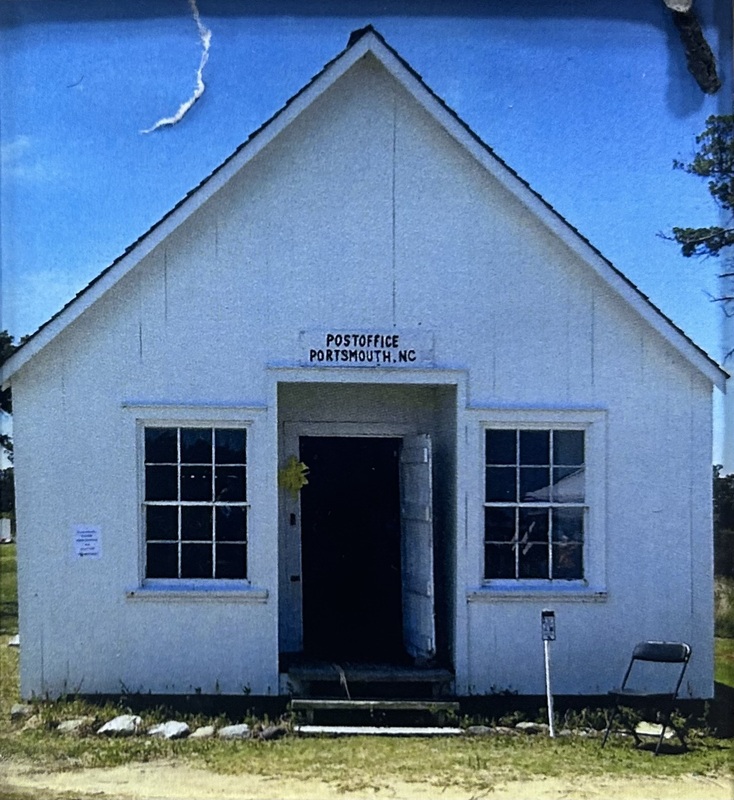
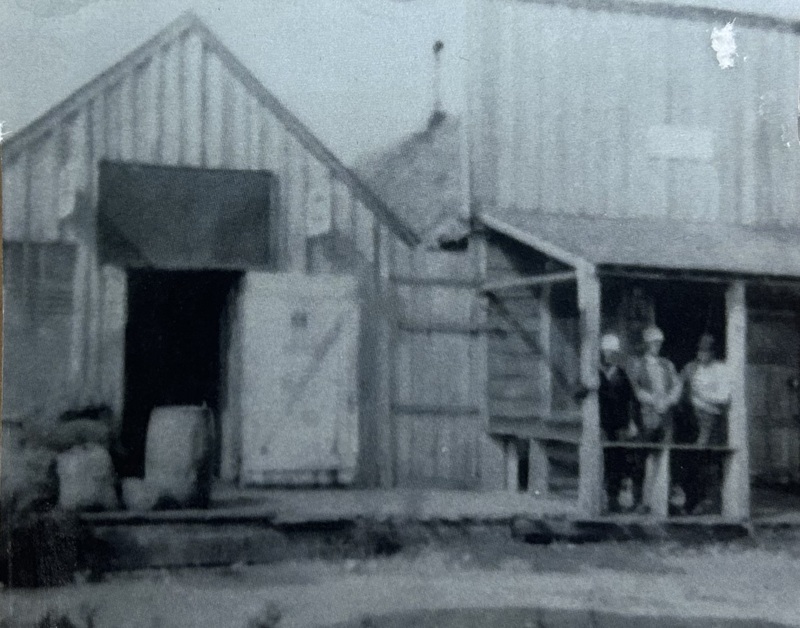
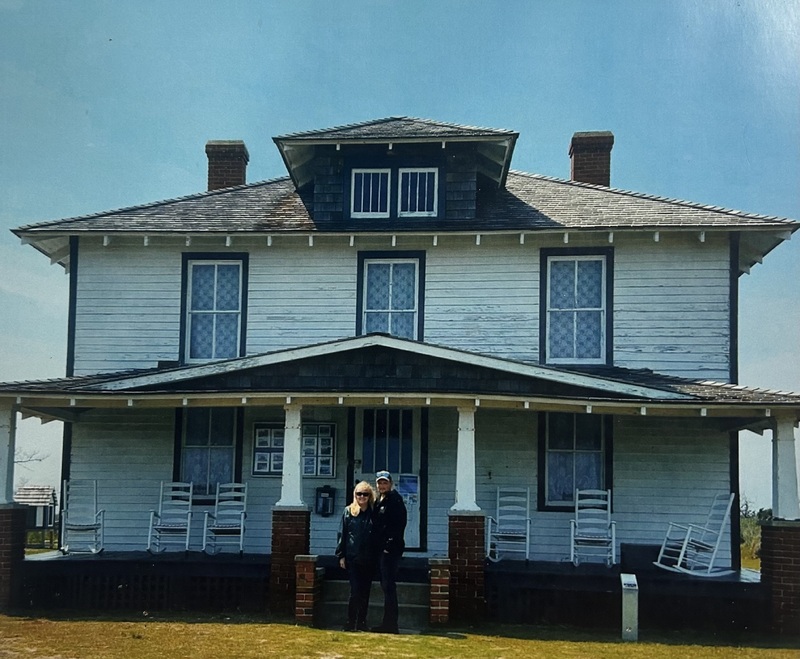
The interview provides an glimpse into life in the final years on the island from the eyes of a descendant who spent her summers there with the family that still resided on the island in those final days. She explains how the island was like a place out of a different time in her childhood, with no phones, electricity, or indoor plumbing. She describes the people of the island as incredibly resourceful, stating that almost nothing was ever wasted when she was on the island. Barbara also informs listeners about her time spent volunteering with the Park Service on Portmouth, and how her grandmother's old house became the house that now serves as the Visitor Center on the island. She also was nice enough to bring a few photographs from her past and of buildings on the island to help illustrate some of the places she mentions.
The work that people like Connie Mason and Barbara Gaskins-Eugene have been doing is the reason why the history of Portsmouth Island continues to be preserved to this day. Communities like Portsmouth used to be the norm all along the Outer Banks, but many have now gone the way of Portsmouth, with their communities leaving their old homes. Many of these communities, while under the purview of the Park Service, are also in danger of suffering similar fates as Portsmouth Island with increased inclement weather and a rise in ocean tides. The actions of the various organizations that have made it a part of their mission to preserve this history have helped ensure that this history is not forgotten. The individuals who work to keep the history alive do so for various reasons, but together they have managed to keep the spirit of community from fading from the world.