
United Farm Workers
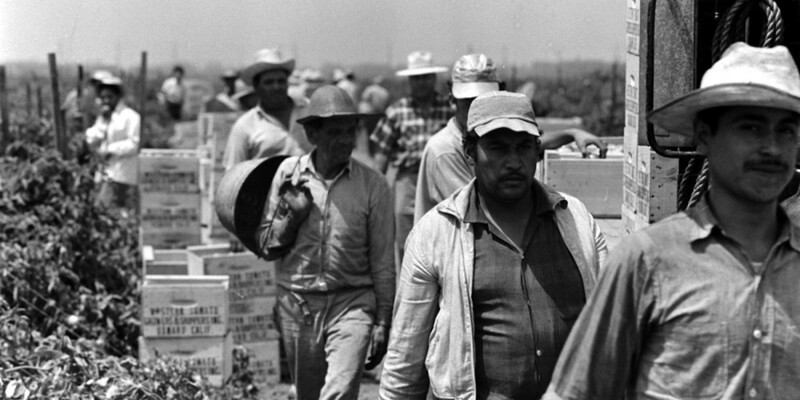
The United Farm Workers (UFW) is a labor union, centred on protecting the rights of predominantly South American farmworkers in the United States. Their vision which can be found in full on the website hyperlink below involves 'championing legislative and regulatory reforms for farm workers' ensuring farmworkers are provided with ethical conditions.
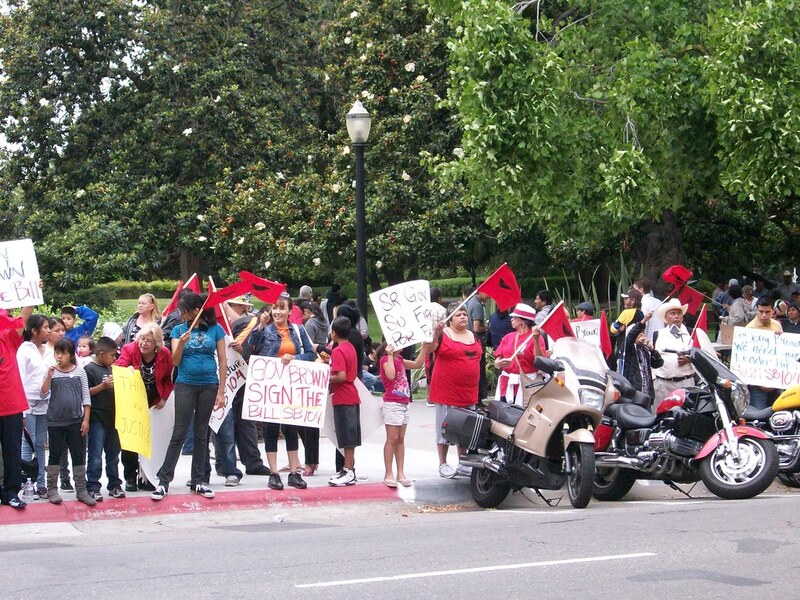
UFW materialized via the collaboration of two previously established movements, the Agricultural Workers Organizing Committee and the National Farm Workers Association. Mexican-American activist Cesar Chávez who was first a farm worker himself is responsible for first suggesting that the other farm workers in his community have an union to protect themselves from unfair working conditions. He employed the help of seasoned union campaigner, Dolores Huerta and eventually joined forces with Larry Lilitong to fruition the UFW seen today.
Additionally to their joined forces, UFW has allied with other social movements such as SNCC. The UFW is based in California, emerging at the same time SNCC had first expanded to California. SNCC's experience with activism and organizing proved useful to Chávez, Heurta and Lilitong as they helped UFW with supplies, included UFW in their spanish newspaper and helped with marches.
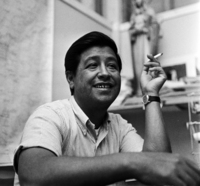
Cesar Chávez pictured in black and white smoking a cigarette.
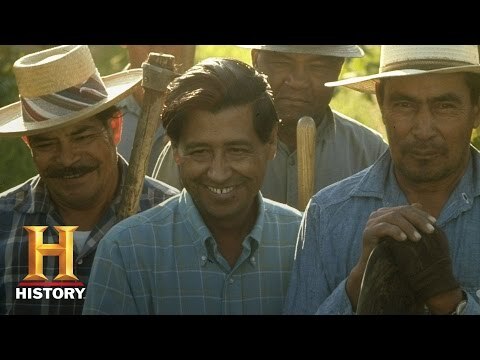
Delano Grape Strike
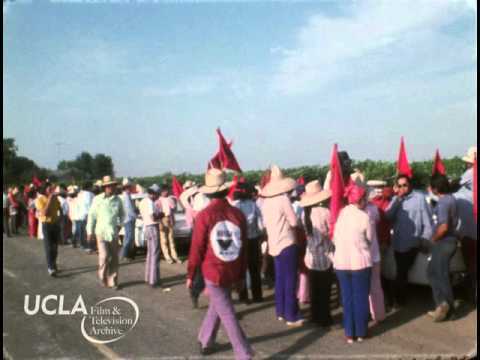
When grape-picking season in Delano, California started, farm workers were told by employers that they were going to be recieving less than federal minimal wage. Upon hearing this and failed negotiations, Lilitong gathered farm workers and decided to go on strike. Employers considered the South American and South East Asian labor work force easily replaceable so much dedication by large numbers would be required to make the strike effective. As of September 1965, over 1,000 farm workers ceased working and demanded their fair pay. The strike included a boycott of the Delano table grapes, picketing and marching. The strike lasted for five years, ending with a labor contract that bettered their health conditions, pay and employment.
The Delano grape strike remains their most remarkable act of activsm that revolutionized the way farmworkers are treated and percieved. Watch some archieved footage of the grape strike below!
Music of the movement
Click the links below to hear songs about farm worker justice
Huelga en General - General Strike
Agustín Lira - La Peregrinación
El Teatro Campesino - Picket Sign
Starting in 1960s California, aiming to help South American and Asian American farmworkers protect their rights, the UFW continues its legacy today with its continuance of protecting the rights of farmworkers on a now national scale.
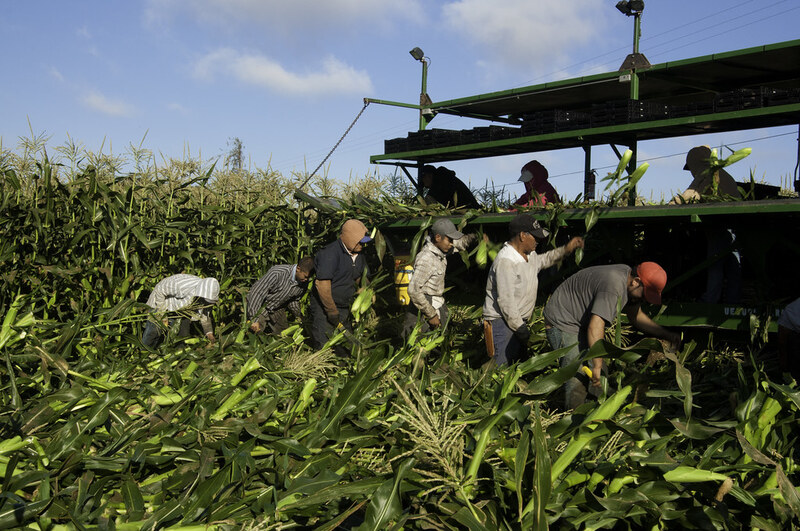
It's legacy includes the introduction of union contracts on multiple ranches, a legal requirement of overtime pay and improving the standards of working in heat to prevent deaths and illnesses. The UFW also heavily involves itself with immigration reform. Most farmworkers in California work on H-2A visas, allowing short term visits to the US for agricultural work and many are undocumented immigrants who work for cash-in-hand employment but this opens space for exploitation. The UFW wants to ensure that not just American farmworkers but non-American workers are respected and valued also.
Sources
Bardacke, Frank. 2012. Trampling out the Vintage : Cesar Chavez and the Two Souls of the United Farm Workers. London: Verso.
https://snccdigital.org/inside-sncc/alliances-relationships/national-farm-workers-association/
Becker, Marc. 2017. “The FBI’s Role in Expelling Germans from Ecuador during the 1940s.” Bulletin of Latin American Research 37 (3): 306–20.
Dunne, John P. 1971. Delano: The Story of the California Grape Strike. Berkeley: University of California Press.
https://ufw.org/